The Death of the Spare Tire
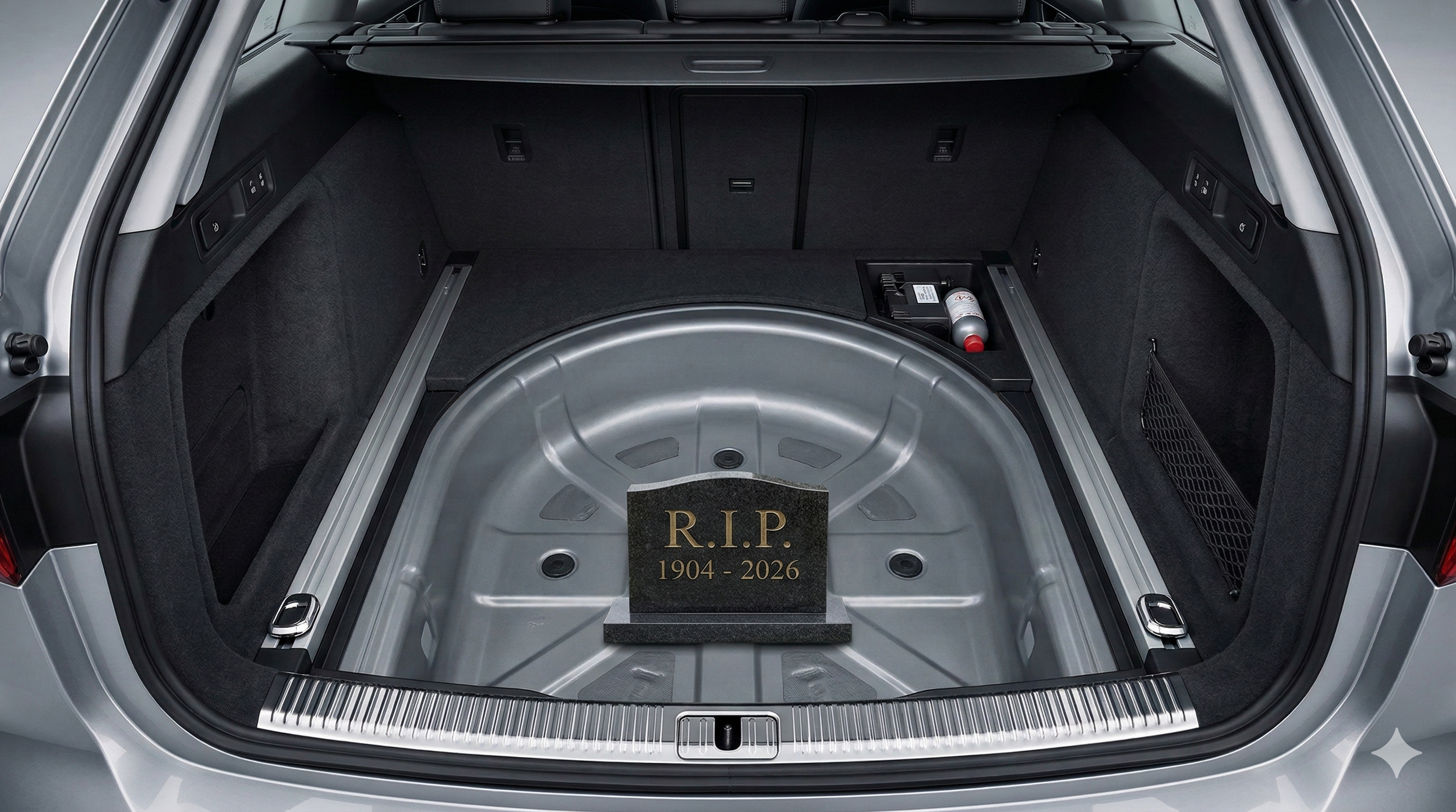
If you watch enough new car reviews, you might notice a topic that keeps coming up. The reviewer either shows or mentions that the car has a spare tire or (more often these days) does not come with a spare.
At this point, it’s almost expected that most new cars simply don’t come with spare tires anymore.
Like the manual transmission, the spare tire is slowly becoming something that used to be standard but is now the exception. Automotive engineering challenges and the new reality of consumer habits have moved on from changing a flat tire on the side of the road.
So here’s why I believe the spare tire is no longer a thing in the mainstream automotive world.
Wheels and Brakes Are Huge Now
I think one of the biggest reasons is simple: modern wheels are massive.
Take something like the BMW X5. Depending on the trim, it can come with massive 21- or even 22-inch wheels. Those wheels are wide, heavy, and take up a lot of space. The traditional spare tire well under the trunk floor simply wasn’t designed for wheels that big and current vehicle packaging would not allow a reasonable spare tire cavity for a wheel that size.
On top of that, modern cars often have large brake calipers and rotors, especially on SUVs and performance models. A compact “donut” spare sometimes won’t fit over the front brakes at all.
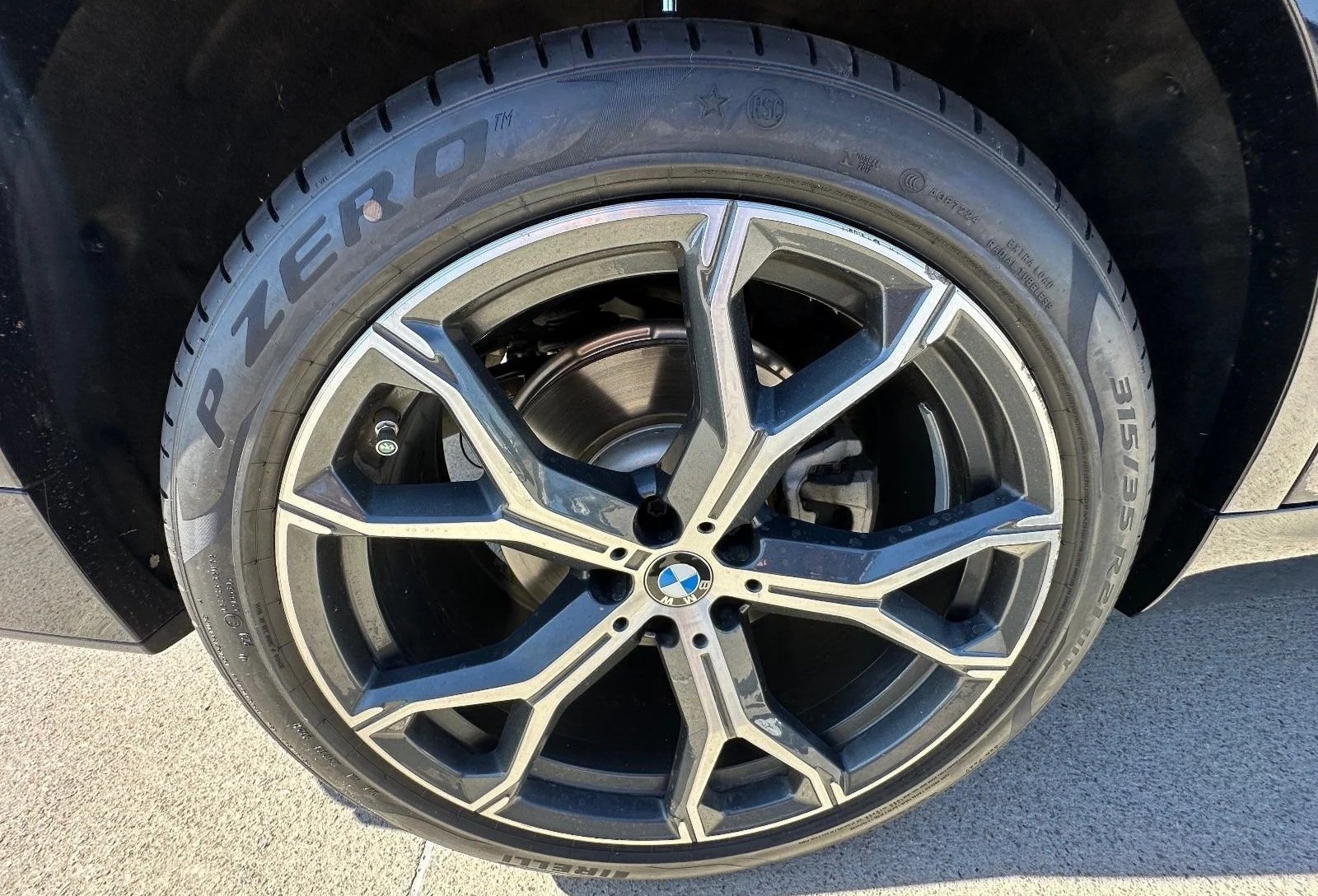
315/35 R21 wheels…massive!
SUVs Used to Solve This Differently
Older SUVs handled this problem by mounting the spare on the outside of the vehicle.
Vehicles like the Jeep Wrangler or Mercedes-Benz G-Class still do this today.
But most SUVs today aren’t built purely for off-road use. They’re family cars, commuter vehicles, and grocery getters. Buyers want clean styling and easy cargo access, and a big tire hanging off the back doesn’t fit that anymore.
So the external spare disappeared, and the internal spare slowly followed.
Run-Flat Tires Help Replace Them
Another reason spare tires are disappearing is the rise of run-flat tires.
Run-flats use reinforced sidewalls that let you keep driving for a limited distance (usually about 50 miles) after losing air pressure.
My BMW 330i uses run-flat winter tires, and honestly they provide a nice bit of peace of mind. If you pick up a nail or lose pressure, you can usually keep driving to a tire shop instead of immediately pulling over to change a wheel. My summer tires are not run flats and in that case, I keep a “fix-a-flat” kit in my trunk
Runflat tires (RFT) are not perfect—they ride a bit firmer and cost more—but they help reduce the need for a spare.
Smartphones and Roadside Assistance
Another big factor (probably the biggest) is the smartphone.
Years ago, getting a flat tire somewhere remote could leave you stuck for a long time. Having a spare tire was essential.
Today most drivers have:
a smartphone
reliable cellular coverage on their travels (or satellite connectivity like on the iPhone)
manufacturer roadside assistance
insurance or credit card roadside services
If something happens, you can simply call for help and because of that, manufacturers increasingly assume drivers won’t fix the problem themselves. “There’s an app for that!”

Weight and Cost
There are also practical engineering reasons. A spare tire, jack, and tools can add 30–40 pounds to a vehicle. Removing that weight helps fuel economy and emissions targets.
And of course, there’s cost. Every spare requires extra parts and packaging space. Across hundreds of thousands of cars, that adds up. It’s much easier to include. “fix-a-flat” sealant/inflator kit instead (which, from my experience do not work for major blowouts/punctures).
If most buyers don’t notice it’s missing, manufacturers have little reason to keep including one.
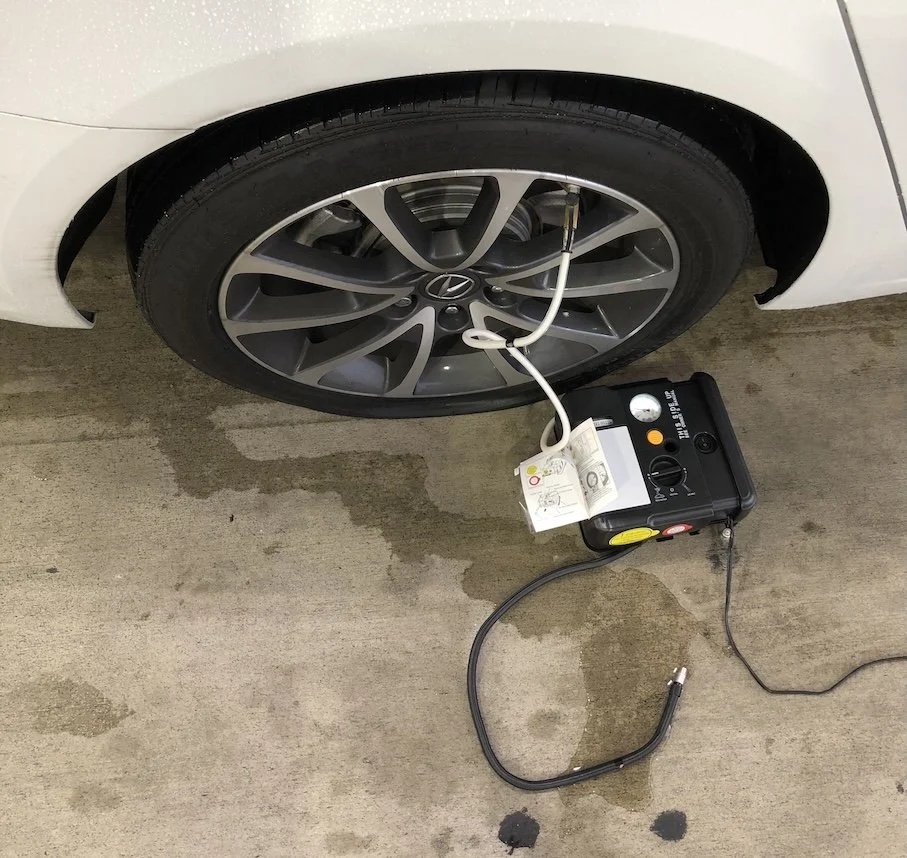
This inflator kit did not work for me when my Acura TLX had a major puncture
A Small Piece of Car Culture Fading Away
The result is that changing a tire is becoming a less common skill.
Cars are increasingly designed with the expectation that drivers will simply call for assistance instead of fixing the problem themselves.
Like the manual transmission, the spare tire isn’t completely gone—but it’s definitely fading. For most drivers, that’s probably fine.
But it’s still one of those small pieces of old-school car ownership that’s quietly disappearing.
-K